
Words by Emma Nelson, Art by Holly Brown.
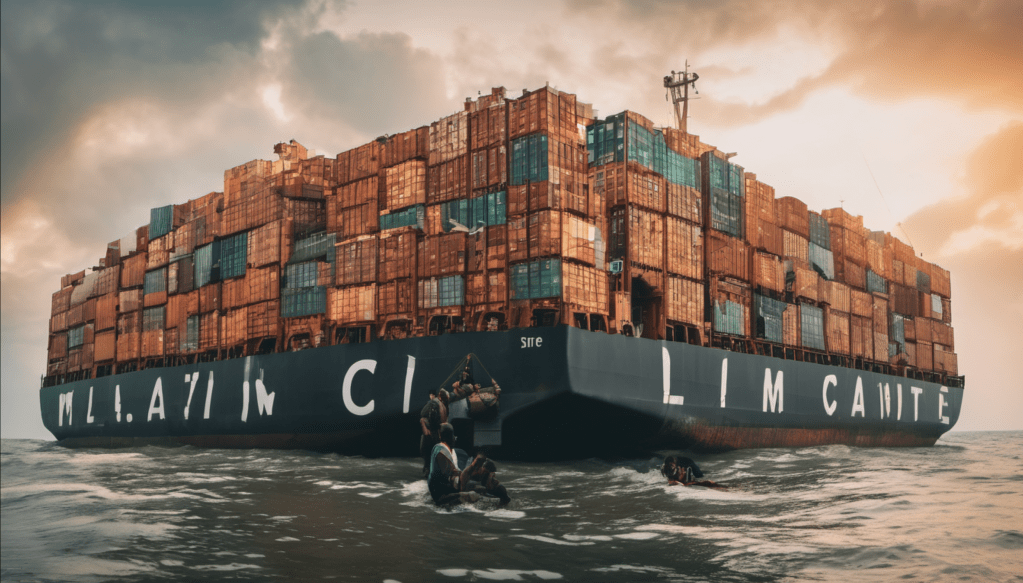
Millions of people are displaced every year by the consequences of climate change. When ecosystems are damaged, crops and living areas become vulnerable to destruction, and job opportunities dwindle, many find no other option than to flee their homes in search of more resilient environments. Over the past decade, the number of climate migrants has doubled. The International Organization for Migration estimates that numbers will only grow, projecting over a billion people to relocate in the next 30 years due to climate stress. As populations rise in tropical areas prone to environmental catastrophes and retired citizens continue to exceed workforce growth in the relatively climate-stable North, the earth is expected to undergo large demographic changes over the next few decades. Whether or not the world can handle this incoming storm of displaced people depends on whether immigration law can adapt to account for climate migration.

Climate migrants are not currently considered refugees under international law, making it difficult for them to move safely after displacement. The 1951 UN Refugee Convention classifies refugees as people fleeing violence or persecution. While the environment doesn’t wield guns or terrorize religious minorities, its decline does pose serious threats to the livelihoods of communities in vulnerable areas. Refugee activist organizations have demanded legal pathways for climate migrants, but it is difficult for international institutions to grant these protections, as discerning the primary cause of many relocations is a complicated task. Environmental distress often takes place in the presence of other drivers of migration: conflict, political instability, economic decline, and more. Gradual effects of climate change such as warming temperatures and rising sea levels are particularly difficult to pin down as the cause of migration when conflated with these other issues. If policy makers are not able to distinguish between climate and economic or persecuted migrants, they will not be able to pass policies that aid those fleeing from environmental burdens.
But when does climate change become the driving force for migration in an area rife with instability? How does one determine when an environment becomes sufficiently uninhabitable? Even people from the same degraded areas will have different thresholds for what is tolerable. Without a set of characteristics that universally defines climate migrants, there is no possibility for refugee status. Too broad a definition could take aid away from those forcibly displaced by sudden onset disasters such as floods, wildfires, and hurricanes, and too narrow a definition could deny protections to those effected by climate change in any form.
Whether the solution to the climate migration problem is to amend the 1951 convention with a new definition for refugees that includes climate migrants, create a new convention, pass domestic legislation, or have remittances sent from abroad, it is unlikely for any kind of large-scale protections to be passed for environmental refugees anytime soon. Disagreements on what qualifies a person as a climate refugee, struggles in the fight against climate change broadly, and the deterioration of refugee protections in general all pose significant challenges to climate migrants receiving refugee status. Climate migration will continue to happen, with or without legal protections. We will soon have to face the idea of adapting to a shifting world with more densely populated areas, a diversity of cultures in new spaces, and new challenges with climate change. It is up to international law to make that transition smoother not just for climate refugees, but everyone.



 UnEarth Magazine.
Leave a comment