

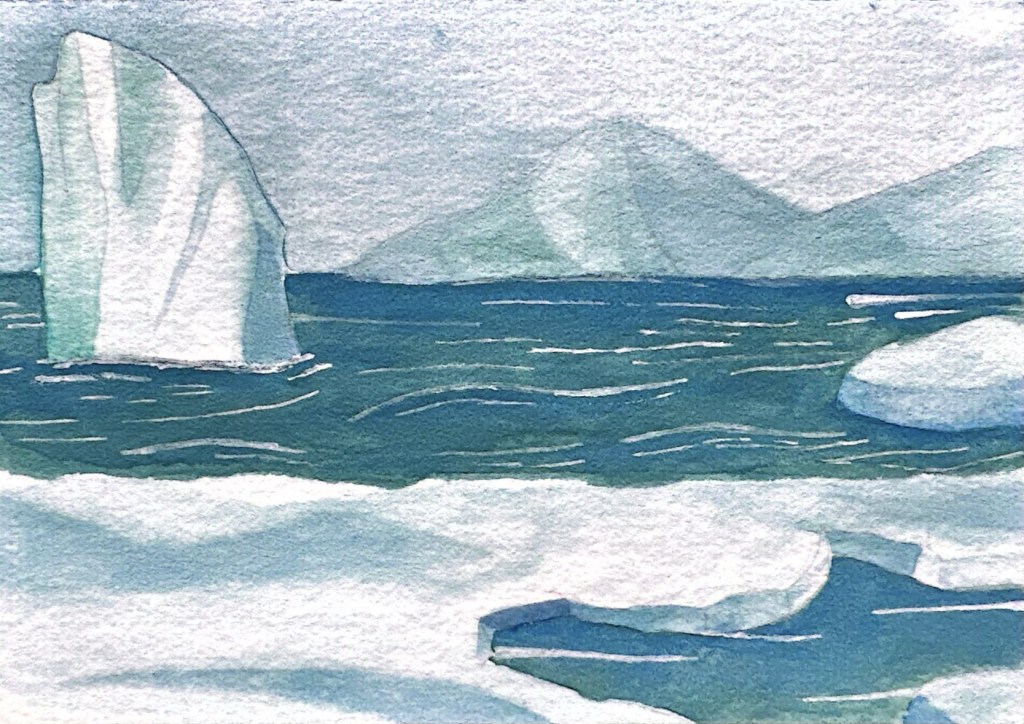
Words by Meredith Kovarovic, art by Anna Karamiseva.
A place where there is no government. A land dedicated to science. Only the biologically toughest organisms can exist. The spitting image of natural selection. This is no dystopian novel – this is Antarctica.
One might understandably think that Antarctica is a continental paradise. With limited human interference or interaction, it seems like the perfect place. But who controls the region? And who has the power to advocate for its sustainability?
The answer lies within the aptly named Antarctic Treaty. Signed in 1959 by twelve countries and enacted in 1961, the Antarctic Treaty is the baseline around which decisions regarding the continent are made. Now, there are forty-six countries, which make up around 80% of the world’s population, that adhere to the treaty.
The treaty states that Antarctica may only be used for peaceful purposes, guaranteeing freedom of scientific investigation and cooperation, while ensuring that any scientific findings in Antarctica may be made readily available.
There are twenty-eight countries that received consultative status, which means they make critical decisions about Antarctica and the treaty, and they meet annually at the Antarctic Treaty Consultative Meeting. They have agreed upon three major international agreements: Convention for the Conservation of Antarctic Seals (1972), Convention on the Conservation of Antarctic Marine Living Resources (1980), and Protocol on Environmental Protection to the Antarctic Treaty (1991). Combined with the Antarctic Treaty itself, these make up the Antarctic Treaty System.
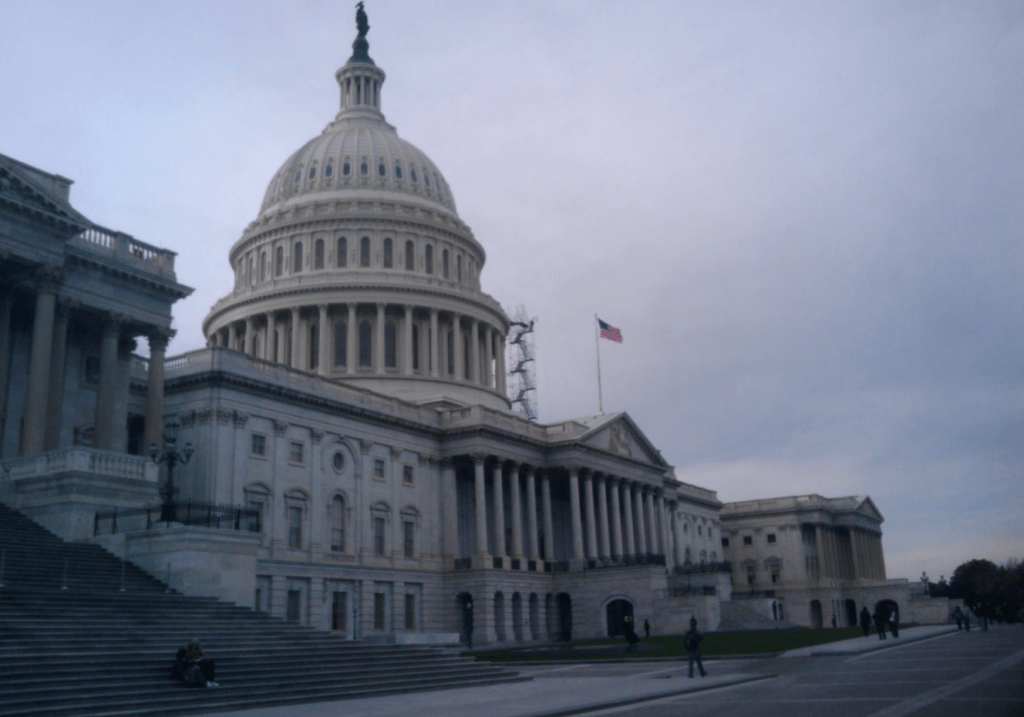
As one might guess, powerful Western states are a major part of the select consultants, including the United Kingdom, the United States, and France. Especially with the treaty being signed in DC, it would inherently be Western focused and led. It is no secret that Western countries are among the biggest contributors to climate change, with the United States just second to China and even above India – despite the drastic difference in population size – in carbon dioxide emissions.
On both British and American web pages explaining their interests and roles in Antarctica, there is a section highlighting tourism. It is impossible to overlook the irony that reveals itself here. Two major consultants and core signatories of the treaty – a treaty that at its core emphasizes less frivolous human involvement – promote tourism in Antarctica.
While the treaty and all its signatory countries have overall control over Antarctica, it is ultimately the consultant countries that seemingly have the most power and control over the fate of Antarctica. This means the Western, materialistic, gas-guzzling countries have the most influence over sustainability matters in a vulnerable continent. So, how can these countries be trusted with the most power in the treaty? This is a question that I don’t have the answer to, so I turn to what faith in humanity we have left and hope that the trust that has lasted up to this point is not broken.
The Antarctic Treaty is one of the greatest treaties of all time, ensuring long-lasting peace and scientific cooperation among all countries who conduct scientific research on the continent. All I can hope is that the treaty can withstand the test of time and maintain its promise to the ice.



 UnEarth Magazine.
Leave a comment