
Words by Teddy Henderson, Art by Lydia Allan
Predicted climate change will result in more extreme and unpredictable weather, which threatens the stability of life on our planet. We must minimize global warming and environmental damage, as well as adapt to manage the consequences. The agricultural industry is particularly vulnerable to climate change due to an increased risk of flooding, extreme temperatures, drought, pests and pathogens, which can reduce yields and impact food security. Furthermore, the productivity of our food system relies on unsustainable practises and environmentally harmful greenhouse gas emissions. To improve resilience to climate change and reduce environmental damage, the agricultural system must integrate a variety of research and innovation into products and practises. While a holistic approach to this change is necessary, one specific sustainable innovation is the use of biostimulants to improve plant nutrient uptake, growth and resilience.
Plants have many different nutritional requirements which they obtain from the soil through different pathways. Farming practises have therefore been developed to include additional nutrients in the form of fertilisers which promote plant growth. Nitrogen fertilizer has a particularly beneficial impact on many crop species yields and stability. However, nitrogen fertilizers are harmful to the environment due to greenhouse gas emissions released from production, as well as pollution created from excess runoff after application. Efforts to improve the sustainability of crop production are therefore striving to alter the production process to minimise emissions, change application practises to avoid excess fertiliser runoff, and find alternative ways to improve crop yields.
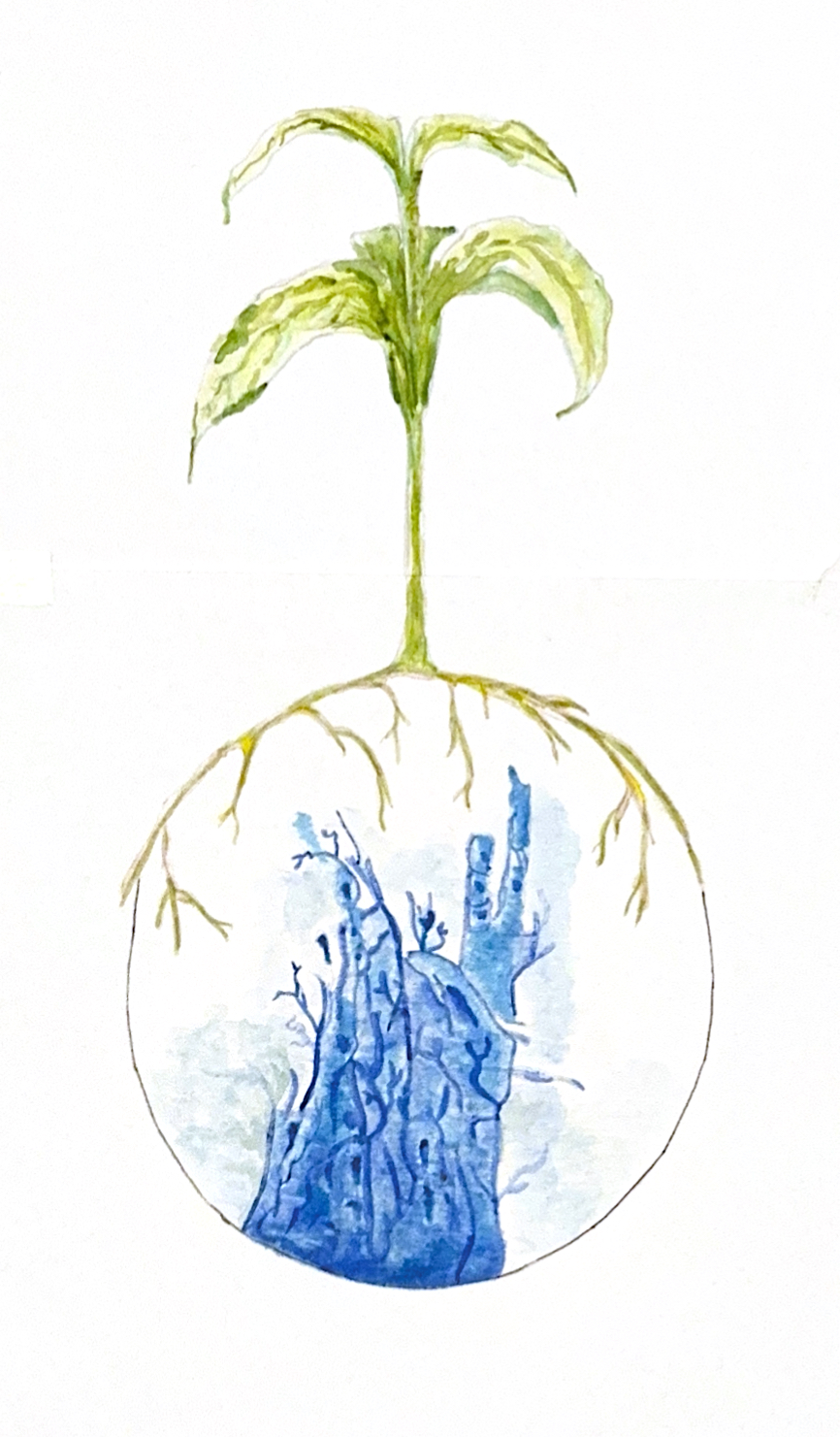
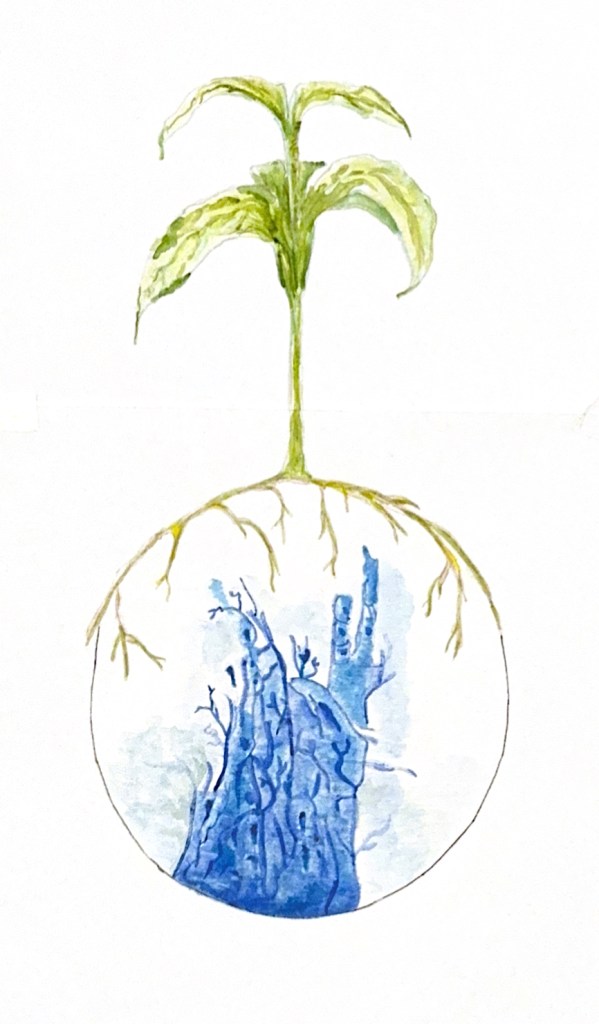
Biostimulants are one of the alternatives to enhance crop yields without the environmentally damaging side effects. A biostimulant is any substance which enhances the plant’s uptake of nutrients, improves resilience to environmental stress, and increases yields. Some biostimulants act as “prebiotics” or supplements for the beneficial soil microbiome, which in turn promotes plant growth. Arbuscular mycorrhizal fungi (AMF) is an example of a microbe which can benefit from/ or even act as a biostimulant itself. AMF forms a mutually beneficial symbiotic relationship with most land plants, supplying water and nutrients like nitrogen from the soil, in exchange for carbon from the plant. The AMF infects and then colonizes the plant’s roots, creating incredible structures inside the plant cells that allow it to exchange and store nutrients, and reproduce. Although the mechanisms are still being elucidated, it is known that AMF symbiosis improves plant resilience to drought and other unpredictable environmental factors.
The application of biostimulants has also been shown to potentially enhance the carbon sequestration of plants, which would further improve the sustainability of food production. Agricultural biotechnology is an expanding field, and continued research and innovations to provide alternatives to the current reliance on nitrogen fertiliser provide hope for future food security and sustainability.




 UnEarth Magazine.
Leave a comment