
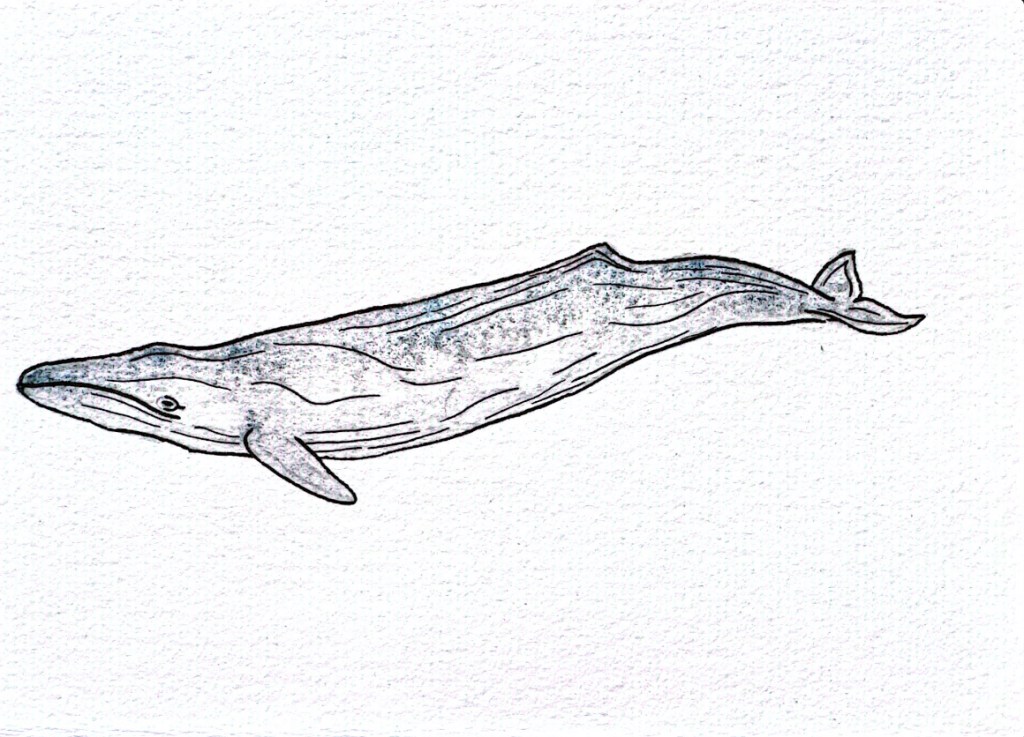
Words by Jana Merz, Art by Anna Karamiseva
Until just over 20 years ago, Blue Whales were thought to all embark on long migrations between cold feeding areas and warm breeding areas. That is until Dr Asha de Vos found whale poo off the southeastern coast of her native Sri Lanka. Bright red in colour, it is hard to miss but rarely brought up as interesting conversation. That is until its discovery suggests that the Sri Lankan population of Blue Whales is unique from others in that they stay in tropical waters year-round.
Dr Asha de Vos is a marine biologist and the founder of Oceanswell, the first marine research and education organisation in Sri Lanka. Currently one of the most recognisable names in marine biology, she began her scientific career on the same three cobblestoned streets as many of you reading now: at the University of St Andrews.
After being born and raised in Colombo, the capital city of Sri Lanka, Dr de Vos studied at St Andrews before continuing her education at the universities of Oxford and Western Australia. She is the first, and only, Sri Lankan to have a PhD in marine mammal science. Sri Lanka has eight times more ocean territory than land, with its 1300km coastline being home to at least eighteen species of aquatic mammals which people dream of studying. So why is it that there is only one person with the highest academic achievement in the study of animals in their own back garden?
Colonial or “parachute” science is a central theme in Dr de Vos’s work. The concept describes institutions from high-income countries carrying out research in lower-income countries without the inclusion of the local population. It is a system built to take opportunities rather than create them. In her interview with Oceanographic, she reflects on her experiences with colonial science upon her discovery that the Sri Lankan Blue Whale population was feeding in tropical waters, contrary to all expectations. She had been urged to hand over her findings to foreign, ‘more capable’ researchers to continue investigating the topic rather than being encouraged to pursue it herself. In her words, this stops countries like Sri Lanka from growing and creates a dependence on external expertise.
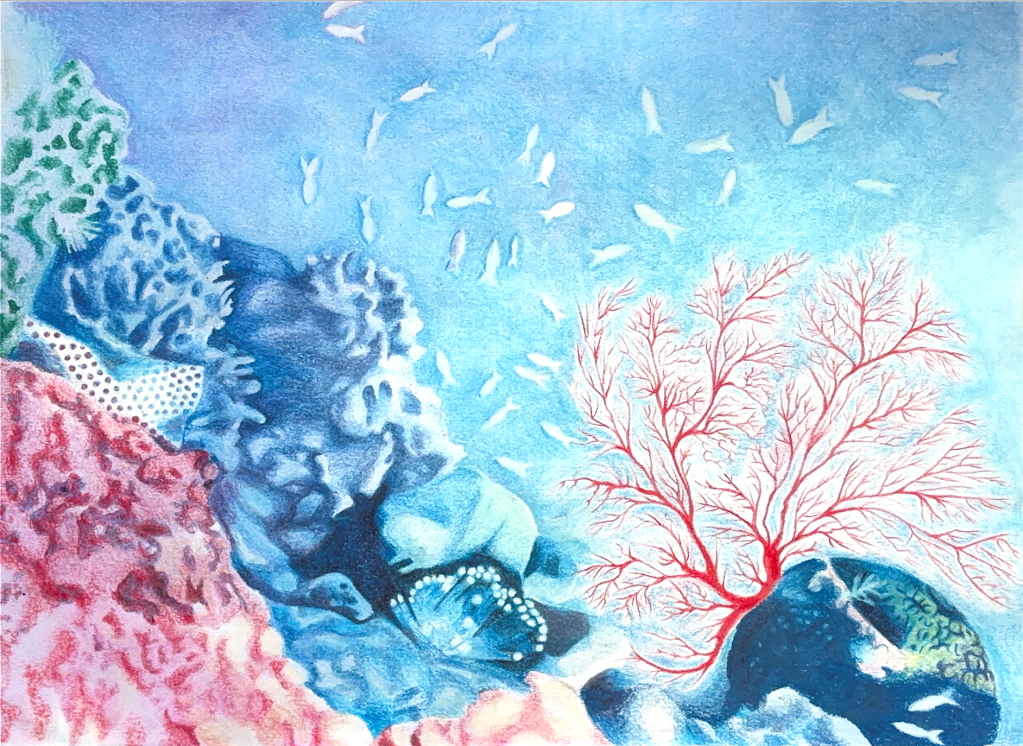
Dr de Vos is not alone in her plight. In the past half-century of coral reef research, 40% of papers on fieldwork done in Indonesia and the Philippines were found not to mention a single local scientist. Instead, these papers were accredited to researchers solely from institutions in higher-income countries, many of which do not have any reefs of their own. This power imbalance between higher and lower-income countries is not unique to academia and research. It is also staggeringly prevalent in environmental governance and policy.
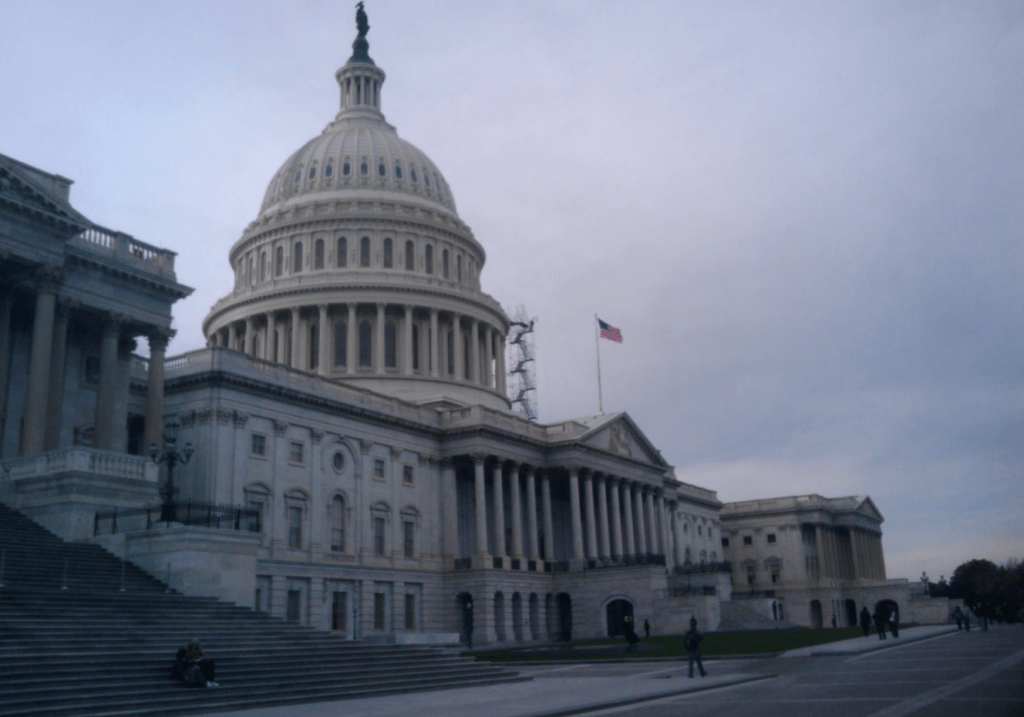
Low-income countries often struggle to be heard in climate change negotiations, despite these being described by Samoan-national Tagaloa Cooper as “negotiations for our survival”. According to Cooper, who works at the Secretariat of the Pacific Regional Environmental Programme, resources limit lower-income nations from sending large delegations to highly influential climate summits. Summits such as the Conference of the Parties (COP) have multiple negotiations happening simultaneously, making it impossible for countries with smaller representations to participate in every conversation. Their voices are drowned out amongst the much larger delegations sent by richer countries, who often face the biggest economic losses associated with reducing emissions and are the least vulnerable to climate change.
In recent years, there has been a wave of people from communities under-represented in science advocating for diversity in marine biology. Dr Melissa Cristina Márquez is a Puerto Rican-born and Mexican-raised marine biologist, whose research has earned her the nickname “Queen of Sharks”. She co-hosts ConCiencia Azul, a Spanish-spoken podcast which highlights researchers from the Hispanic world, breaking away from the largely Anglocentric sphere of science communication.
From being the first Sri Lankan with a PhD in marine mammal science, Dr Asha de Vos is now amidst the beginning of a long-awaited generation of people from heavily marginalised communities exposing the legacy of colonialism in marine science.


 UnEarth Magazine.
Leave a comment