

Words and Photography by Zoë Graham, Art by Caroline DaSilva
Rewilding is defined by Rewilding Britain as ‘the large scale restoration of
ecosystems to the point where nature can take care of itself.’ But why is this
important? Rewilding offers an alternative method of ecological restoration,
which departs from a focus on active approaches to preservation, and instead
places emphasis on a return to natural processes, with minimal human
intervention. While Rewilding Britain does make some rather grandiosely
optimistic claims regarding what rewilding can do for the world; ‘bringing
[nature] back to life, saving wildlife, tackling climate breakdown, and
benefiting people and communities,’ ecosystems are degrading and the
change of approach rewilding offers is blatantly required.
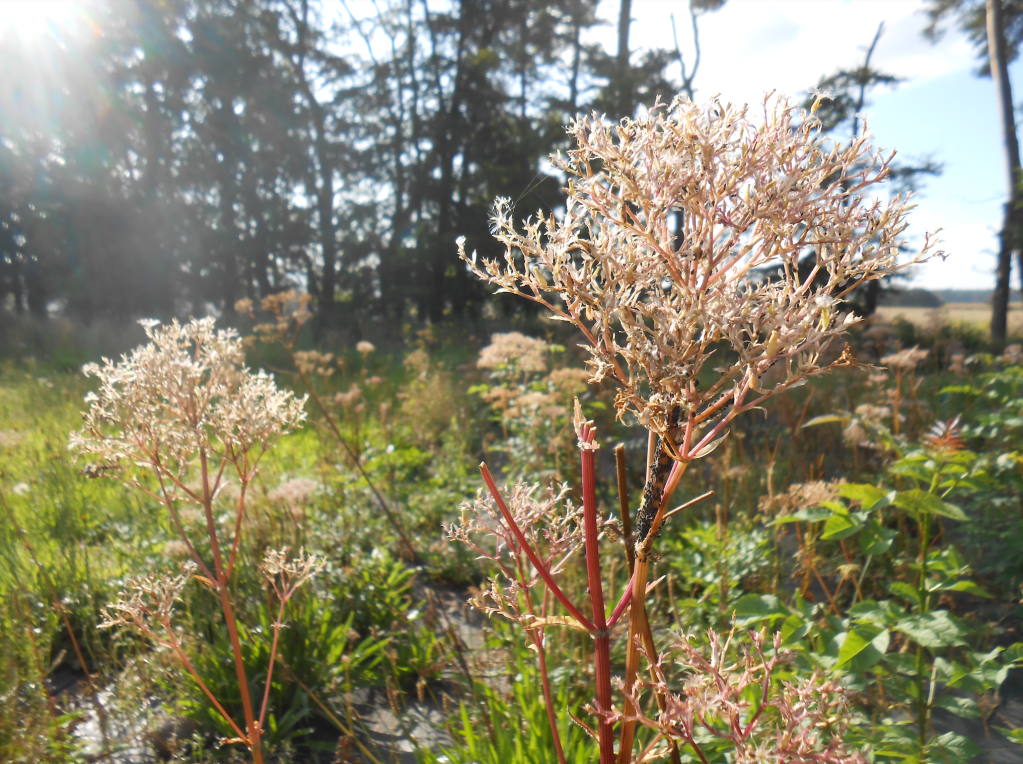
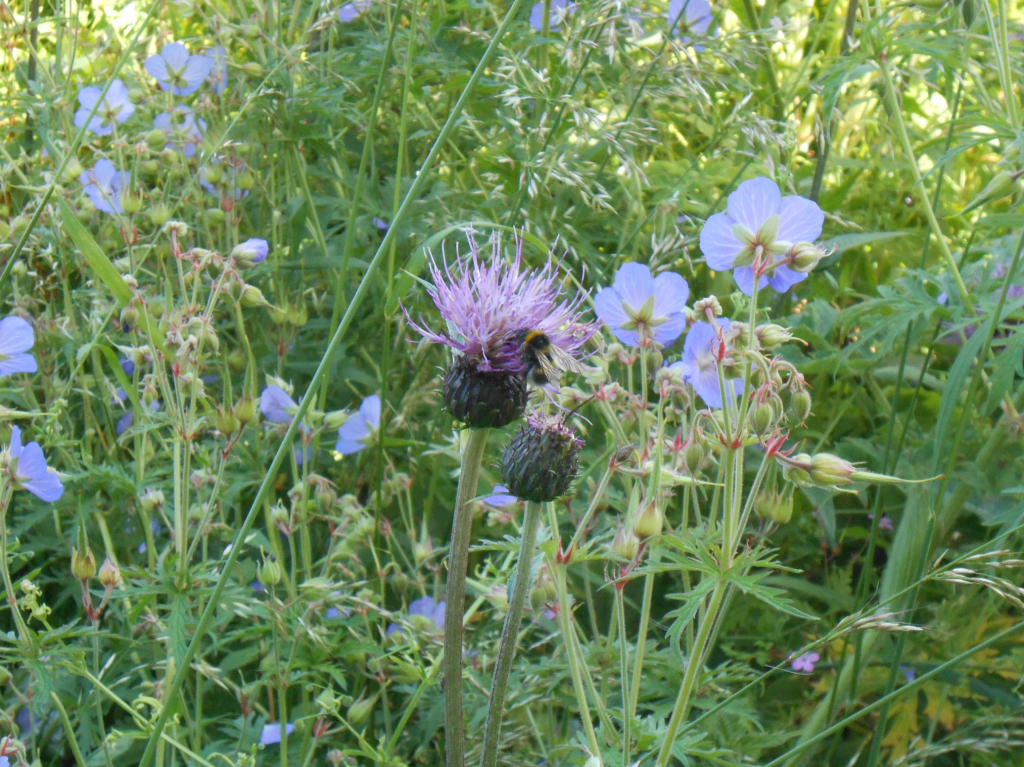
It is also important to take into account that as with any method of conservation or restoration, unless operated on a wide scale, the true impact
of rewilding will be minimal or even non existent. As Julie Baber, a sheep
farmer from Somerset writes, ‘everyone, it seems, has their ‘rewilding’ patch
in their otherwise carefully manicured garden and, while it could be
considered commendable to some extent, it is not, in my opinion, as useful as
attempting to manage their whole garden in harmony with nature.’ Baber
raises an important point, as while it is true that a ‘rewilding patch’ is a
positive step in encouraging insects and birds into gardens, Rewilding Britain
stipulates the ‘large scale’ of rewilding that is required in order for it to truly
work as a restoration method. That is not to say that smaller rewilding
projects are not valuable contributions to the cause, as WWF states, their
stance is that ‘most concerns around rewilding can be resolved by ensuring
local communities take the lead.’ WWF further asserts that we should avoi
‘an all-or-nothing choice by taking a spectrum-based approach,’ epitomising
the importance of mindset, and how rewilding should be viewed as an
ongoing operation as opposed to a goal to tick off.
In Scotland this seems to be an achievable goal, when an opinion survey
conducted for the Scottish Rewilding Alliance in 2021 found that 76% of
Scottish people were in support of rewilding in Scotland. Beyond
environmental benefits, rewilding has been found to increase opportunities
for employment and volunteering. According to Rewilding Britain, ‘over
20 sites across England covering over 75,000 rewilding acres between them
has revealed a 47% increase in full-time equivalent jobs and a nine-fold
increase in volunteering opportunities.’
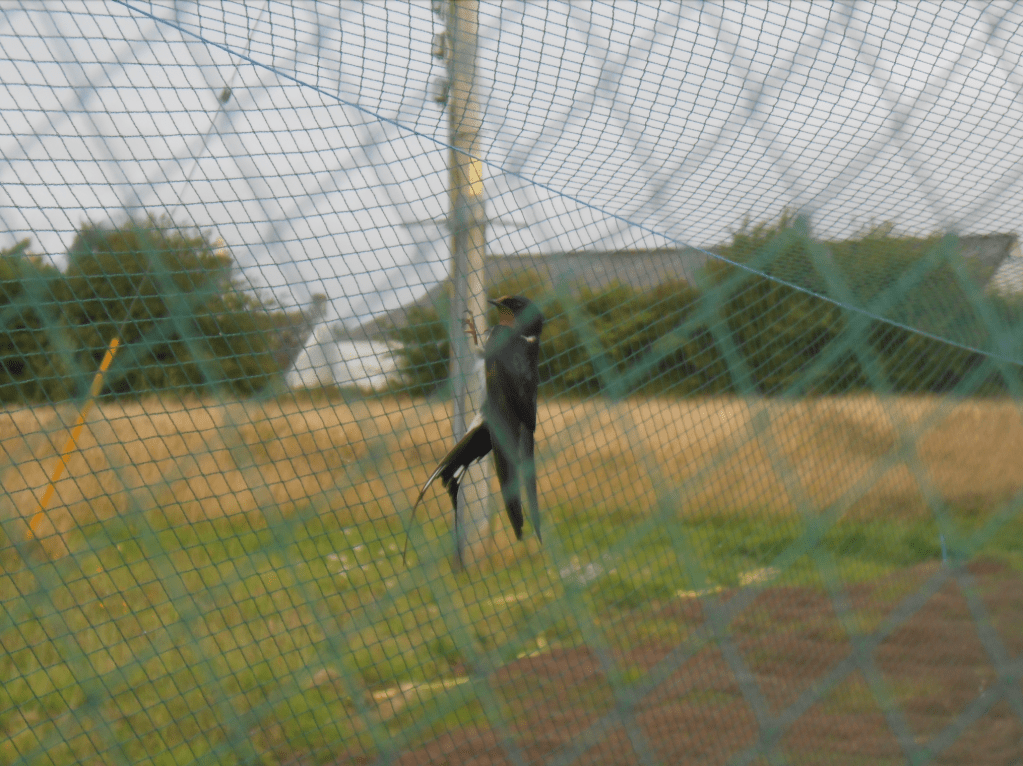
One particular benefit of rewilding is the impact on native wildlife, such as
animals, birds, insects, and plants. Native plant life is an essential component
of a thriving ecosystem, and ideally all plants growing in a specific area
would be native to that area. Native plant life is vastlyimportant, because it
provides the foundation of habitat which allows native animals, insects and
birds to eat and live. The relationship, or symbiosis between native plants,
animals, and their environment allows natural biodiversity and ecosystems to
function. The National Wildlife Confederation lists some of the far-reaching
effects of the cultivation of native plants, which:
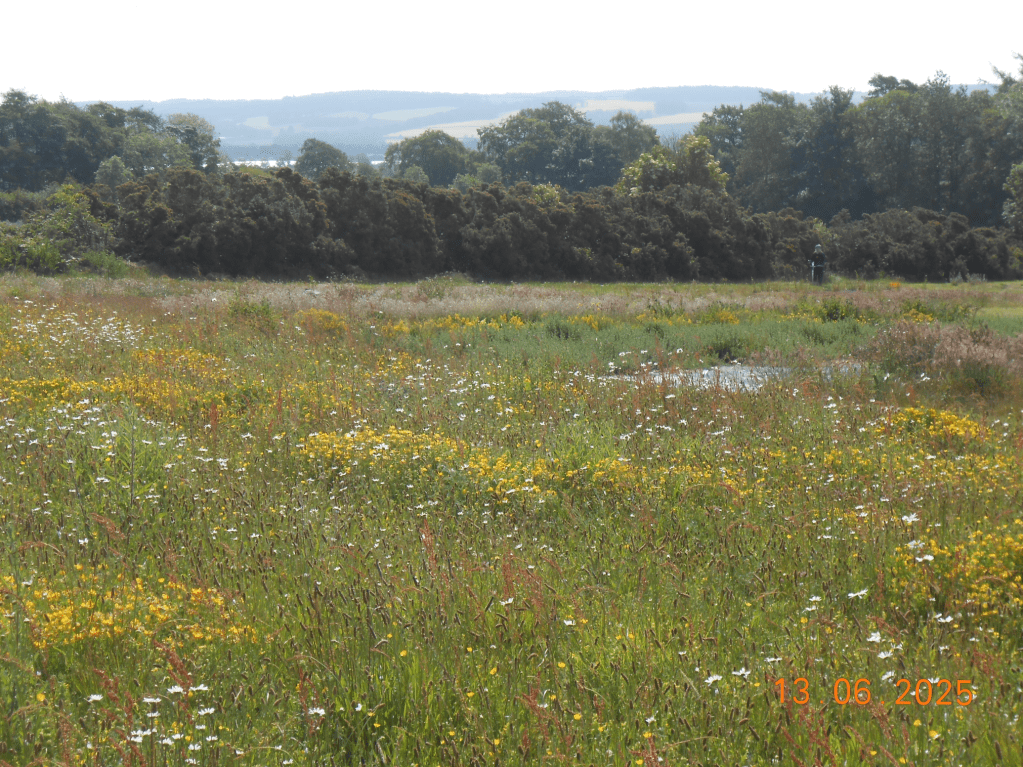
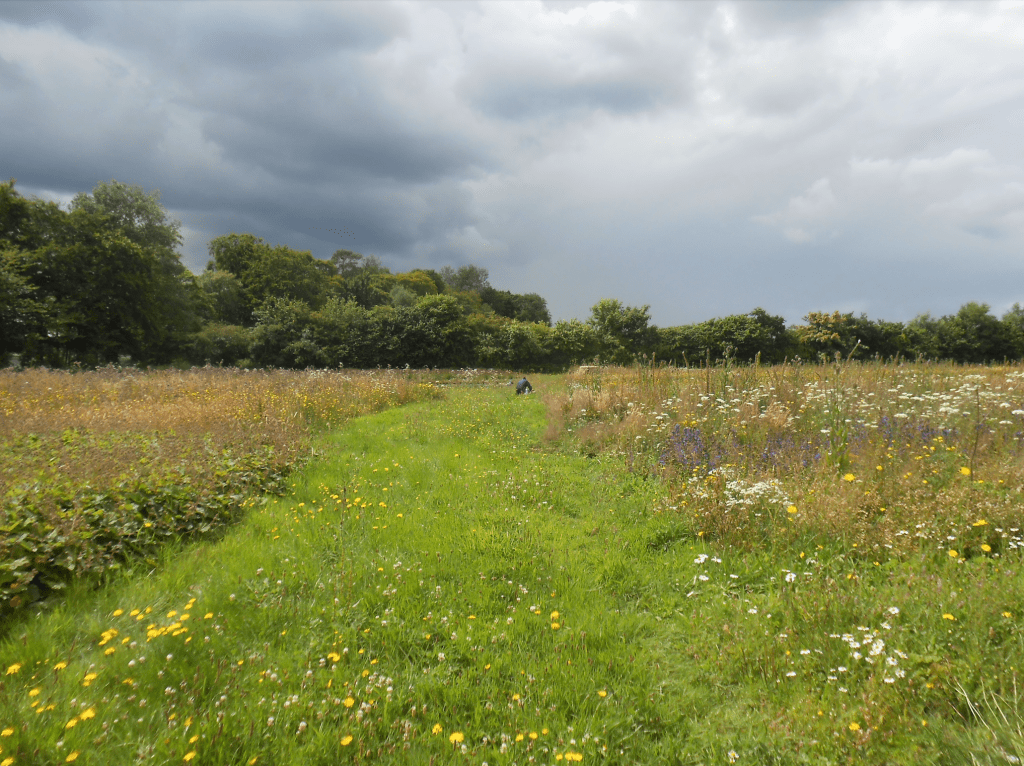
Meadows are spaces which often provide an ideal environment for the
nurturing of native wildlife. As defined by the Cambridge Dictionary, a
meadow is ‘a field with grass and often wildflowers in it,’ thus providing
space, nutrients, and habitat for ground nesting birds, small mammals, and
insects. Some seed suppliers even sell meadow mixtures of native wildflower
and grass seeds on order to begin the cultivation of a meadow, which could
henceforth exist and thrive within its own natural cycles. While there is no
quick fix for our world’s declining environmental health, rewilding offers a
return to natural rhythms and can be achieved with human assistance, rather
than our complete control. Our wildlife deserves a genuine, committed
attempt at this method of preservation.




Leave a Reply