

Words by Cecilia Terreno, Art by Sky Maher
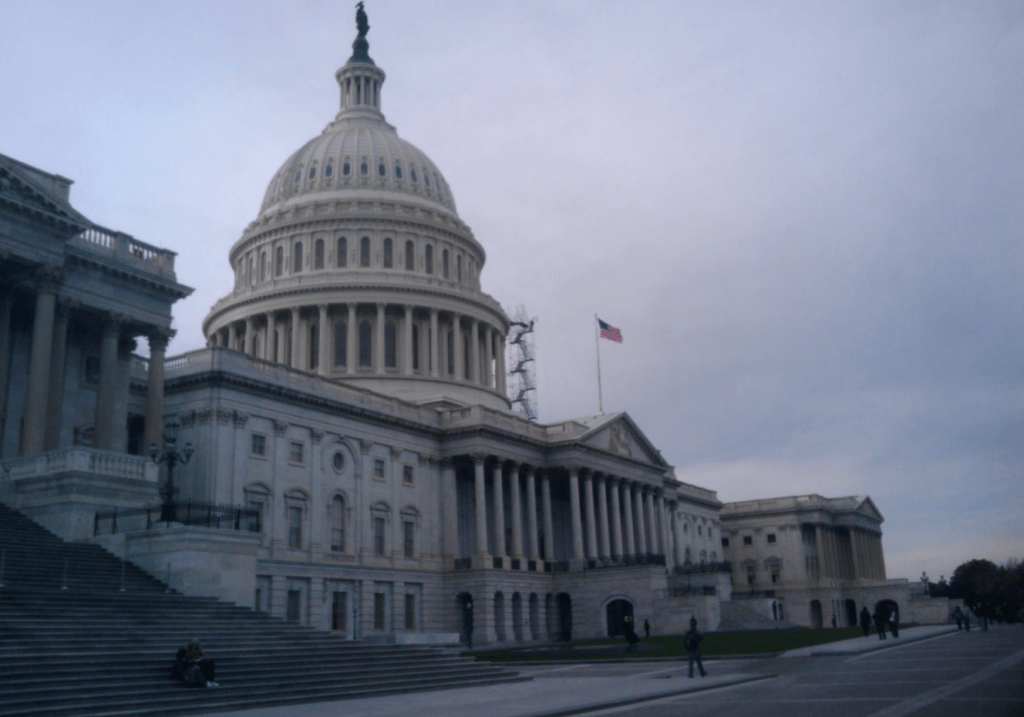
There has been a long-standing narrative depicting the Global North as a model for our much-needed clean energy transition, guiding and disciplining the countries of the Global South. However, this claim is being challenged by current shifts in the dynamics of the global climate stage. On the one hand, the United States is pulling back from global efforts to go green, as the Trump administration deregulates environmental rules in oil and gas industries, ends tax credits for green developments and suspends permits for wind and solar projects.
To fill the gap in climate action, several Global South countries are emerging as leaders in the energy transition. Significantly, a study by energy consultancy RMI showed that renewable energy is growing faster in the Global South, with an annual growth rate of 23% over the past five years compared to the North’s 11%.
Pakistan obtained 25% of its electricity from solar power in the first half of 2025, compared to 32% in California, which is considered a leading green state. Morocco increased its wind generation by 50% over the past year, while Latin America has the same share of electricity generation from solar and wind power as China.
Chinese EVs are also reaching new markets following trade tensions with the West. In countries like Turkey, Nepal, Ethiopia, and Vietnam, there have been tremendous increases in sales of EVs.
So what are the reasons for the increasingly active role played by countries of the Global South in the energy transition? A first major incentive derives from the reliance of poorer countries on scarce foreign currency to import oil and gas. In fact, policies of governments like Ethiopia’s ban on internal-combustion-engines are mainly designed to cut spending on fossil fuels and save foreign currency.
The rise in EV sales in Global South markets is principally linked to tariff escalations between the West and China, which allow developing countries to take advantage of cheap renewable technologies diverted from European and American markets. This development is also aided by government policies, like Turkey’s move to significantly lower taxes paid by purchasers of EVs compared to those for consumers of petrol-powered vehicles.
However, upfront investments in clean energy, while declining in recent years, are still significant and remain a challenge for the energy transition in many countries of the Global South. In fact, several developing countries are reliant on some form of Western aid in moving forward with the transition. South Africa, for example, suffered a devastating blow when the US withdrew its support from the Just Energy Transition Partnership, leaving the EU to step in to fill the gap in funds. Furthermore, high debt levels and limited access to finance lead to a “debt-fossil fuel trap” that forces many poorer countries to continue using fossil fuel projects for much-needed revenue.
Nevertheless, the Global South holds important advantages over Northern countries that highlight a strong potential for their increasingly leading role in the energy transition. For instance, an important factor in the development of solar power is greater sunlight which is abundantly available in those regions. Another important point relates to phasing out fossil fuels: clean energy efforts in the Global North are frequently challenged by entrenched fossil fuel infrastructures and powerful lobby groups, as could be seen in the amount of fossil fuel representatives present in the delegations of many countries at COP30. In comparison, the Global South faces a significantly reduced fossil fuel legacy that increases its potential to leapfrog the drive towards renewable energies.
Overall, countries of the Global South are increasingly taking the lead in the global transition towards cleaner forms of energies. These trends appear paradoxical to the international climate diplomacy principle which states that richer countries have a greater responsibility to fund climate action, in that they contribute more to climate change and pass on the majority of climate costs and consequences to communities in the Global South.
Contrary to this view of climate justice, it is clear that the richer countries are frequently falling behind in their commitments to global climate action, while poorer countries are taking greater initiative towards green transitions. However, costs of capital and access to funds remain significant disadvantages that can hold the Global South back from realizing its potential in leading the energy transition. Such challenges must be urgently addressed through solutions like debt cancellation and improved climate finance, but who to turn to when countries of the Global North are disregarding their funding responsibilities?
The first step in achieving our climate goals is realizing that the Global South has the potential to effectively lead the arduous journey of phasing out fossil fuels. But without the crucial pillar of global cooperation, the future of the clean energy transition remains uncertain.




Leave a Reply