
Words by Jana Merz, art by Isabella Karmis
The Eden Estuary
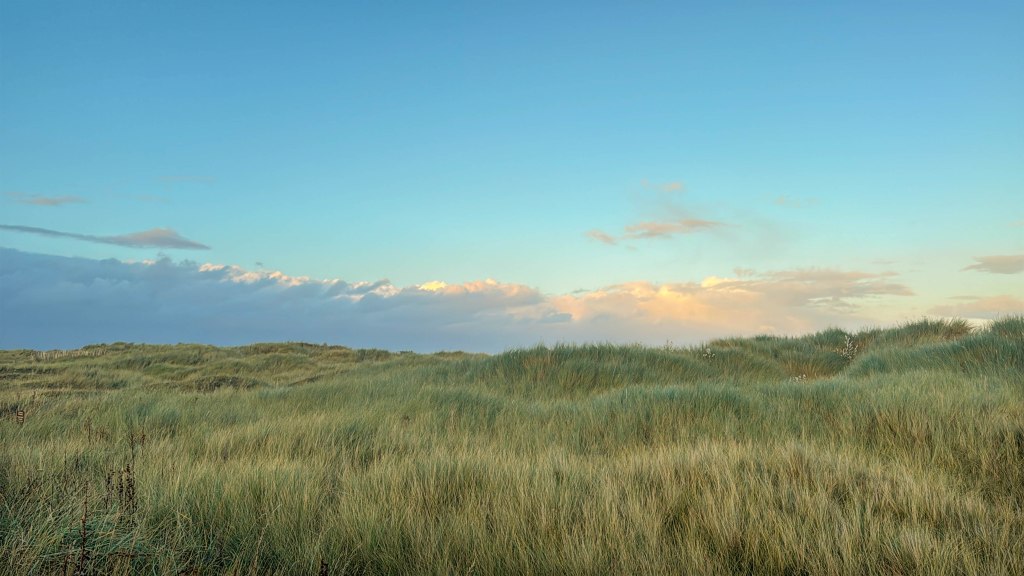
With three beaches, Tentsmuir forest just to the north, and the Fife Coastal Path at our doorstep, St Andrews has much to offer if you’re looking for a day out in nature. However, another ecosystem, one that we have all seen but may not have caught our eye, has gained international importance as a site of scientific interest, a special protection area, and a Ramsar wetland; a wetland of international importance designated by the UK government. As you cross the bridge at Guardbridge, on your way into St Andrews, the 2-mile-long Eden Estuary sprawls out beneath you. The meeting of salty and freshwater makes this a unique and highly productive environment. The Eden Estuary boasts up to 15,000 birds, an important colony of harbour seals, and one of the most threatened habitats in the UK: a saltmarsh.
Saltmarshes are wetlands that occur in the upper intertidal zone, home to plants that are very well adapted to being both submerged in salty water and completely exposed to the air. The plants that are found here change as you move up the saltmarsh, from succulents in the low marsh, to grasses in the middle marsh, and wildflowers in the upper marsh. The saltmarsh also supports a range of animals; from invertebrates such as worms and crabs to numerous species of breeding, wintering, and migrating birds. They are also a major coastal blue carbon store, sequestering carbon at 40 times the rate of woodlands. Furthermore, they act as nurseries; a sheltered refuge where a range of marine wildlife can nest and breed. Saltmarshes are also integral to coastal defence. The plants hold and stabilise the soil with their roots, preventing coastal erosion. Dense saltmarsh vegetation also causes physical drag that weakens waves, acting as our frontline against coastal flooding.
85% of the saltmarshes across the UK have been degraded due to coastal development, erosion, pollution, rising sea levels, and increasing temperatures. The Eden Estuary is predicted to see more than half of its saltmarsh lost by the next century. The degradation of salt marshes leads to the release of the carbon they have sequestered back into the atmosphere, and the loss of habitat for the species that depend on them. It also leaves the coastline vulnerable to dramatic erosion and flooding. As we come off the double storm that happened over reading week, coastal protection is more important than ever as climate change increases the frequency and severity of storm events across the globe. For St Andrews, the golf courses that are situated along the coast lie at risk of destruction if saltmarshes no longer protect our coastline; threatening one of the biggest sources of tourism and income for the town.
Green Shores
Based at the University of St Andrews, a project called Green Shores has spent over 25 years protecting and researching saltmarshes in Scotland. The longest coastal protection project in the country, Green Shores has been active at the Eden Estuary, as well as the Tay Estuary just north of St Andrews, planting and propagating plants, monitoring habitats, and setting up fences to protect new saltmarshes. Green Shores is run by a team of researchers. Dr. Clare Maynard, who began the Green Shores initiative and did her PhD on the saltmarshes in the Eden Estuary, the outreach officer, Dr. Helena Simmons, and the coastal restoration officer, Alana Dewar. The team regularly welcome members of the community, including students from the University of St Andrews, to volunteer. Green Shores is also involved in research, investigating how we can best protect our saltmarshes and our coastlines. In recent years, the project has expanded beyond the Fife coastline, beginning work at the Dornoch Firth in the Highlands. This year, Green Shores won funding from governmental Nature Restoration Fund, which will allow them to continue expanding their work across Scotland.
Volunteering at Green Shores
When volunteering at Green Shores on a Wednesday morning, I am greeted by a polytunnel full of crates of plant cuttings, friendly volunteers, and passionate researchers. First, a tour of the study area allows me to look out over the estuary and see the different stages of planted salt marsh along the shore. I am informed how the location of each plant is recorded, and metal posts are put into the ground to help new plants succeed in establishing themselves in their environment, protecting them from the energy of the water in their early days out on the shore. Back at the polytunnel, I spend the morning cutting and potting plants whilst chatting to fellow volunteers, and then a tea break offers me the chance to warm up with a hot chocolate in my hands. The plants being grown in the polytunnel contribute to the restoration of the saltmarshes at the Eden and Tay estuaries, and the Dornoch Firth. In the 2025 planting season, almost 4000 plants grown in the polytunnel were planted.
When I have volunteered with Green Shores, I always leave having learned something more about this often-overlooked ecosystem. My favourite, so far, is about “salt marsh fairy circles”; some species of salt marsh grasses grow in new layers that form rings outwards, as the centre dies off. Green Shores is a community of lively and passionate people and provides a space where students and members of the community can spend the day working with their hands in the fresh air, contributing to the protection of one of Scotland’s most quiet but most important ecosystems.



Leave a Reply