
Words by Roseanna McNaught-Davis, art by Eliza Thorpe
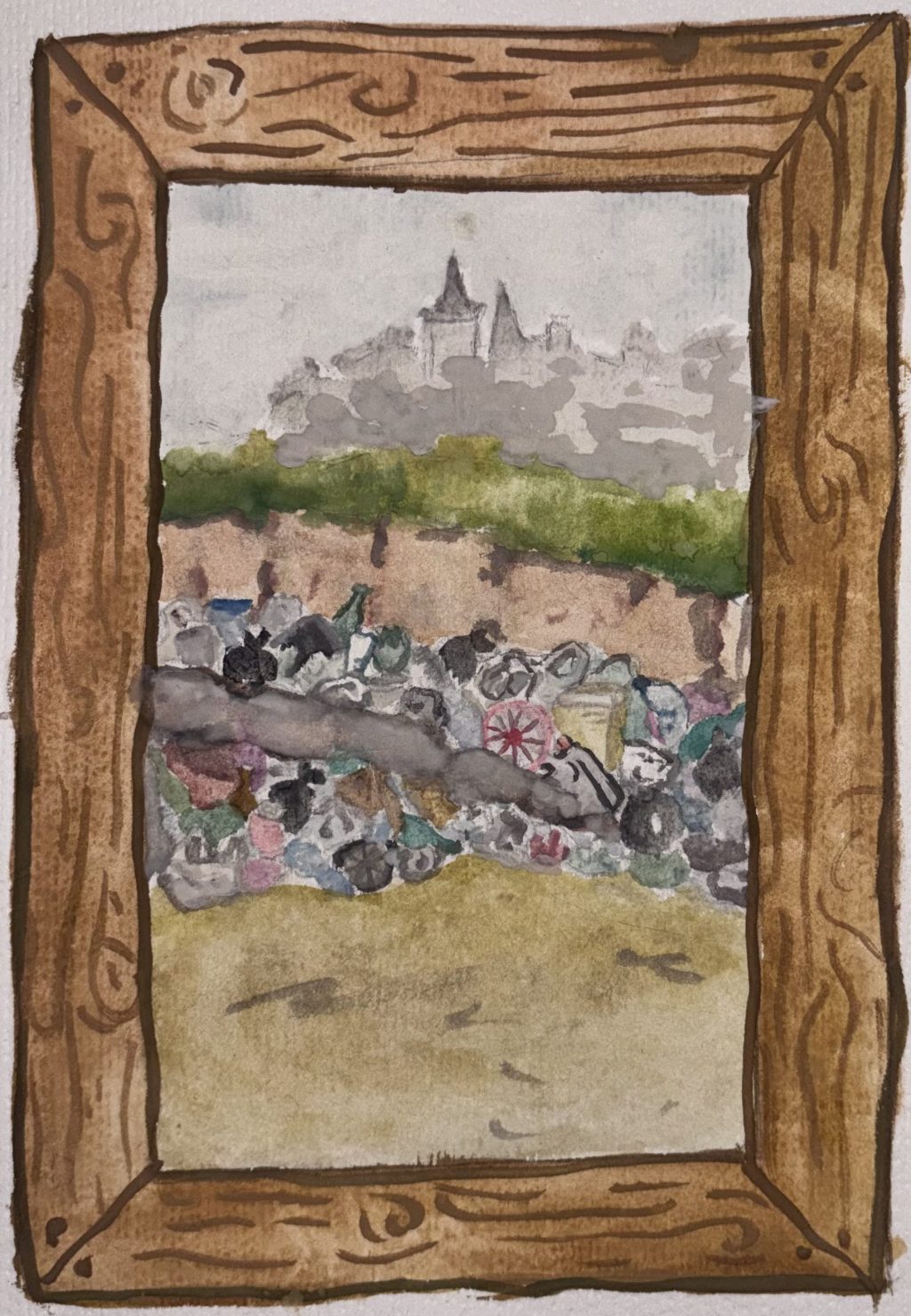
‘A third of all food produced globally is thrown away.’ Food is fuel, and as with petrol, the environmental impacts of our consumption are staggering. According to WRAP (The Waste and Resource Action Programme), the UK wasted 10.7 million tonnes of food in 2021 producing the equivalent of 18 million tonnes of CO2. These statistics are staggering, especially considering that 673 million people, 8.2% of the global population, face hunger. It is quite astonishing that our supermarkets are stocked up to the brim, and yet most of it ends up in our bins, while others go hungry everyday. Surely the food which people waste in the UK could feed many more. So, what are the causes of such extreme food wastage, what are the systems within supermarkets and farming that so desperately need to be challenged and changed, and what can we do in our daily routines to waste as little as possible?
Where does food waste come from? Why are we wasting so much?
Home
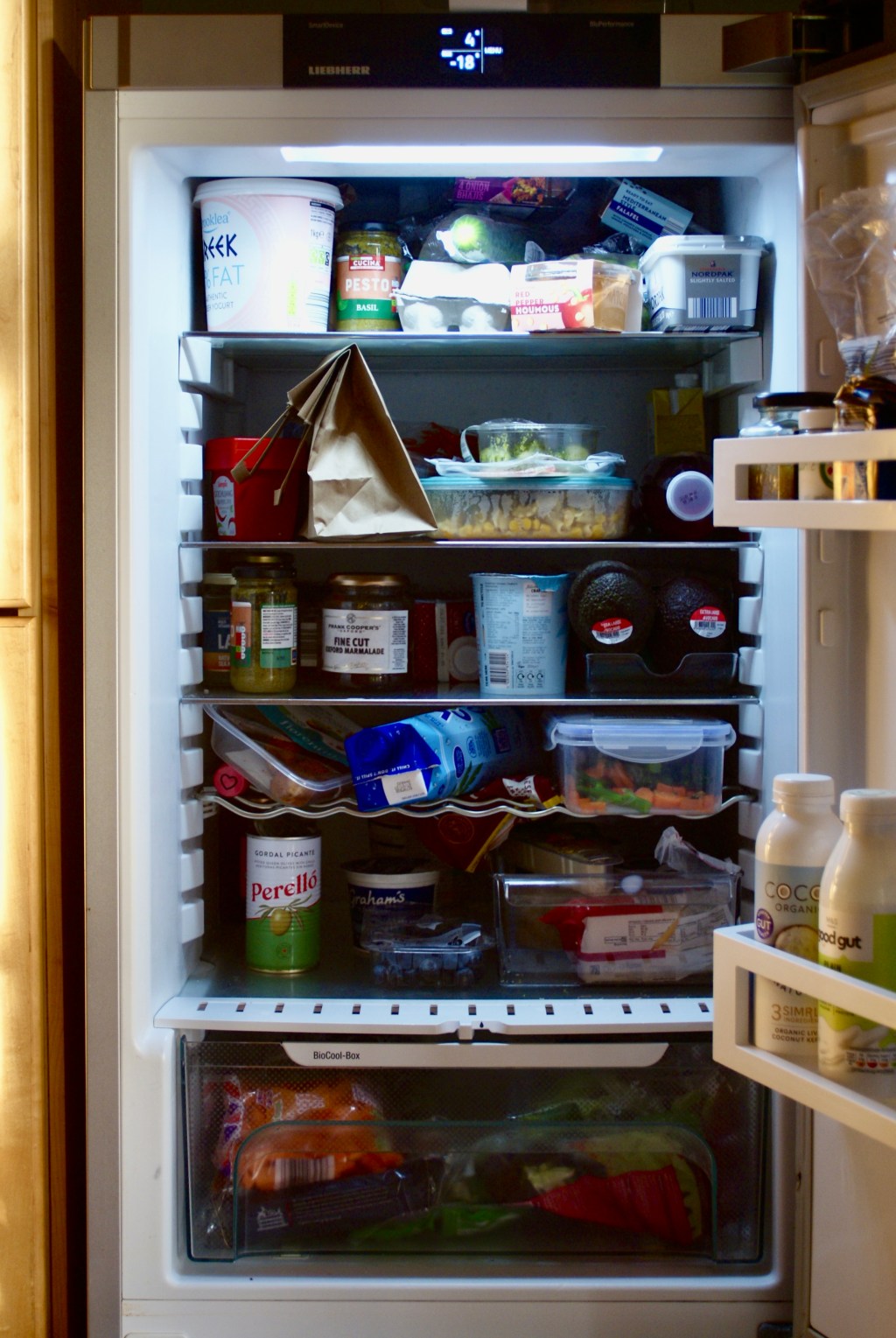
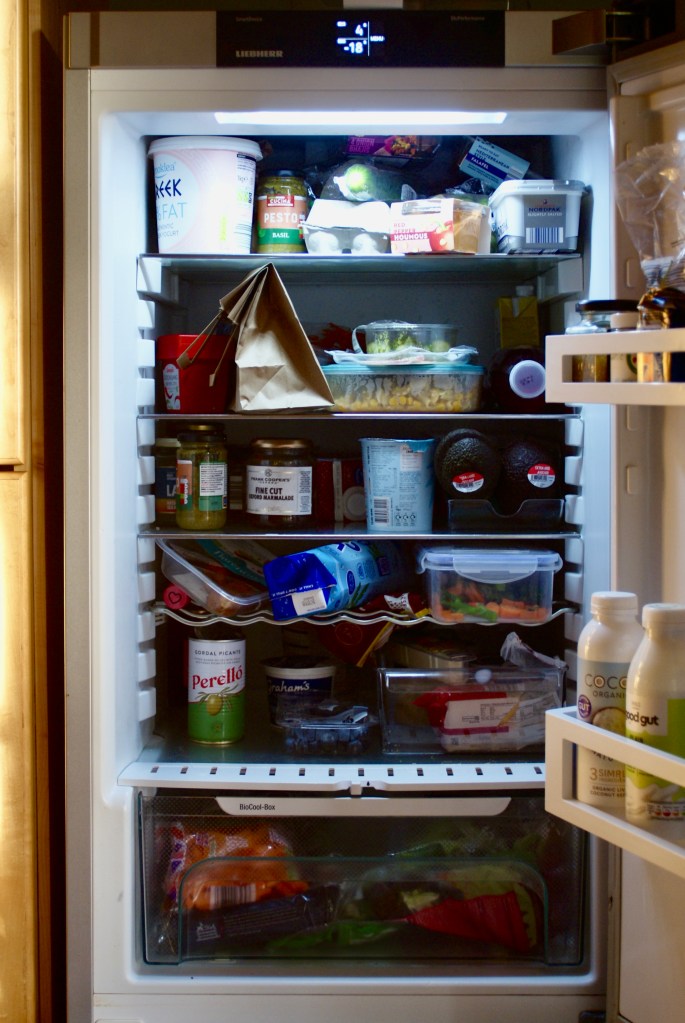
WRAP suggests that 70% of food waste comes from our own homes. This is primarily because food was not eaten in time before its use by date, or people thought the product showed signs of spoilage and subsequently chucked it away. Similarly, alarming consumer habits of buying more than we need play a significant part in household’s generation of food waste, as a quarter of food waste at home was due to people buying or preparing too much food and not using it up.
Farming
Uneaten food is not the only issue: each item that is thrown away also wastes the energy and resources spent on growing and producing that product, for example water, fertilisers and land space, all of which have costly effects on the environment. The WWF reported that while 10% of all greenhouse gas emissions come from wasted food, ‘4.4 million km2 of agricultural land and 760 km3 of water are used to produce the 1.2 billion tonnes of food that are lost before, during and after harvest’.
And it is not just the food that we as buyers throw away that is wasted: the food that is grown and doesn’t even make it to the shelves at the shops is also wasted due to strict government and supermarket regulations and customer expectations of what crops should look like. Wonky fruits and vegetables are still perfectly acceptable to eat but are thrown away because they don’t meet customer demands of what ‘normal’ fruits and veg should look like. Talk about judging a book by its cover! Therefore, a further 50 million tonnes of fruits and vegetables are thrown away in the UK each year. This also means that farmers typically grow more crops than they need to supply just to give leeway for the crops that may fail inspections and be thrown away.
Shops
As was previously mentioned, customer behaviour has a huge influence on food waste. An investigation highlighted the issue of displaying multiple expiration dates on supermarket shelves, as most people (especially those cooking for fewer people) are hunting for longer life dates so their food stays fresher for longer. However, this scrambling to the back of the shelf and hunting to find lengthier expiration dates means that the food going off sooner is abandoned on the shelves and thrown away. The investigation calculated that ‘Tesco UK, in 2016, discarded food equivalent to 119 million meals’ which could have ‘sufficiently fed 3.6% of the UK’s malnourished population of three million people.’
It is also illegal for supermarkets to keep food that is past its sell by-date however, ‘about 60% of the food wasted in the UK could be consumed.’
Food waste skyrockets over festive periods
Our environmental footprint spikes during holiday seasons such as Easter, Halloween and Christmas as people are driven out of their normal consumption habits in preparation for gifts and gatherings, causing them to over-fill their fridges and pantries with goodies, over-stocking on more food than they really need. UK households produce 30% more waste over these festive periods. Such consumption consequently puts a strain on local recycling systems due to the overflow of packaging from Easter eggs and delivery parcels from online Christmas shopping, for example. Not to mention the number of gifts which are regularly returned, leading to even more energy consumption.
What can we do and what must change?
These overwhelming statistics add up. Enough is enough. We must change the system that is so engrained in our daily lives of how we manage food waste. Retailers need to redistribute produce that is going off to stop perfectly good food from ending up in the bin by delivering still edible products that have passed their shelf date to food banks, for example. Farmers also need to be supported in order to transition to more sustainable methods.
While these are some important systematic changes that must happen to adopt a positive attitude around food waste, here are some bite-size suggestions for how you can reduce your own food waste.
Buy short shelf-life foods
Researchers suggest that we steer away from the temptation of buying longer shelf-life food where possible and instead buy food that is going off sooner to reduce waste. While this may be difficult to apply to all food products you buy, try swapping long shelf-life products with shorter shelf-life dates for food that you know you are going to use in the next few days. Too Good To Go is also a fantastic app which allows you to purchase a variety of different meals or products that are going off, from your favourite shops, cafes and restaurants at a discounted price to reduce food waste!
Check labels and make your own judgement
Labels on food packaging can be misleading and give people the wrong impression that food is no longer safe to eat, but knowing more about what they mean can prevent you from throwing away food that is still edible. The ‘best before’ label is a guideline: food is usually safe to eat for a further few days after the date on the label, so it is best to use your senses judge for yourself whether it is edible. On the other hand, ‘use by’ means that products should not be consumed after this date or should be frozen before this date, especially meat products. Freezing food is an extremely effective way of reducing food waste as almost anything can be frozen and will last for months!
Only buy what you need
One of the key ways to reduce food waste is for consumers to reduce over-buying and refine their consumption habits to purchasing only what they need.
Refrain from buying more than you need by checking what you have in the fridge, considering how many guests you need to feed, and making a shopping list. Especially around Christmas with dinner parties galore, it’s always better to start small rather than provide too much and end up with mountains of leftovers in the bin. If you are throwing a dinner party, why not share some of the festive spirit and send your guests home with tupperware full of leftovers.
Buy local and seasonal
Try to shop for local and seasonal produce by checking labels. This helps to reduce air miles and pollution from food that has been flown from faraway countries or required extra energy to be grown outside of its usual season.
To sum up:
Food waste can be challenging to avoid and may seem inevitable in some circumstances. But it is important to recognise how vital a role our own food waste patterns play in the wider environmental crisis. It is easy to be sceptical about the impact one person’s sustainable lifestyle changes can really have on our planet, but I can assure you that taking action and being conscious of your food waste practices is a great habit to get into, which can and will make a difference.



Leave a Reply